Endometriosis Support Companion

Applied Companion

Endometriosis Support Companion

A structured endometriosis support companion focused on symptom tracking, pelvic pain awareness, menstrual pattern organization, fatigue management, bowel and bladder symptom notes, pacing, daily activity support, appointment preparation, self-advocacy, and provider communication.

Format digital
Access $39.00
Item ID acd030

Educational support only. This resource complements, not replaces, provider instructions, facility policy, or medical advice.

Item Details

About this resource

Start here

The essentials before you go deeper.

Endometriosis Support Companion

Endometriosis can affect daily life in ways that are painful, exhausting, confusing, and difficult to explain. Symptoms may involve pelvic pain, severe menstrual pain, bowel changes, bladder symptoms, fatigue, bloating, pain with intimacy, back or hip discomfort, nausea, pain flares, missed work, disrupted routines, emotional strain, and repeated uncertainty about what is normal and what needs medical attention.

The Endometriosis Support Companion was designed to reduce confusion and help users organize symptoms, daily activity patterns, pain flares, menstrual cycle notes, fatigue, bowel and bladder concerns, provider questions, and follow-up tasks in one clearer place.

This Companion does not diagnose endometriosis, prescribe treatment, replace gynecology care, replace pelvic health therapy, or replace individualized medical guidance. Endometriosis-related symptoms can overlap with other medical, pelvic floor, gastrointestinal, urinary, hormonal, musculoskeletal, and pain-related conditions. A licensed healthcare provider should guide diagnosis, treatment options, medication decisions, surgical decisions, fertility concerns, and urgent symptom evaluation.

The goal is not to self-diagnose. The goal is to help users notice patterns, track what matters, communicate more clearly, support daily routines, and prepare stronger questions for the care team.
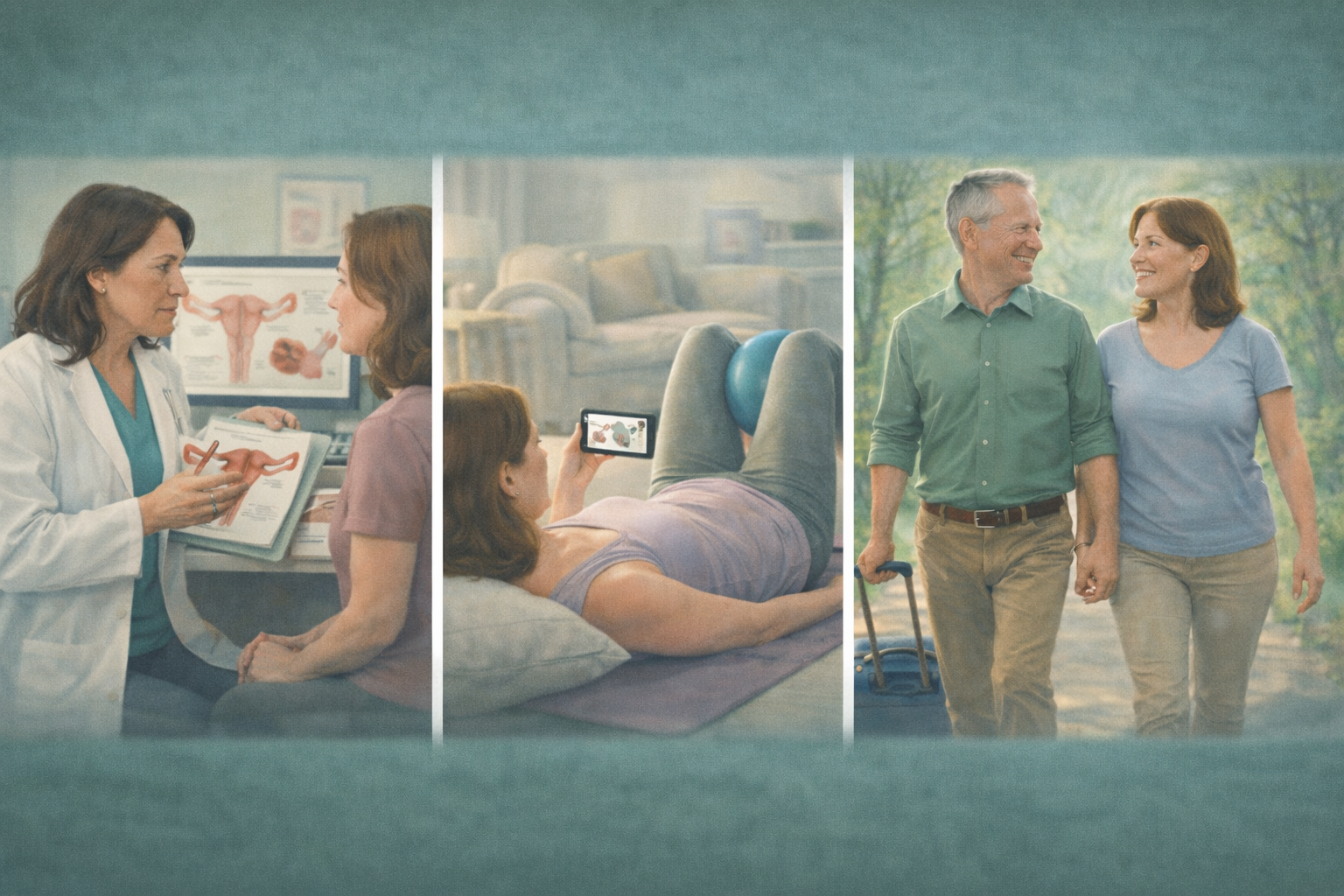
Why Endometriosis Support Matters

Endometriosis is more than period pain. It can affect daily function, work, school, caregiving, relationships, physical activity, sleep, mood, energy, bowel routines, bladder routines, intimacy, and quality of life.

Many people with endometriosis-related concerns spend years trying to explain symptoms that are dismissed, misunderstood, minimized, or treated as routine menstrual discomfort. Clear tracking and organized provider communication can help users describe what is happening with more detail and confidence.

This Companion helps connect symptoms to daily life, including:

  • Menstrual pain and cycle-related patterns
  • Pelvic pain and pain flares
  • Fatigue and low energy
  • Bowel and bladder symptoms
  • Pain with movement, sitting, standing, exercise, or intimacy
  • Work, school, caregiving, and home routine disruption
  • Sleep and rest challenges
  • Emotional stress and self-advocacy needs
  • Appointment preparation and follow-up tasks
Typical Endometriosis Support Pattern

Endometriosis support does not follow one simple timeline. Symptoms may fluctuate across the menstrual cycle, worsen during flares, improve temporarily, return unexpectedly, or overlap with other concerns such as pelvic floor dysfunction, bowel symptoms, bladder symptoms, chronic pelvic pain, fatigue, anxiety, depression, or musculoskeletal pain.

Instead of presenting a rigid recovery plan, this Companion uses a symptom-organization and daily function approach. It helps users track patterns, prepare provider questions, support pacing, organize appointments, and notice when symptoms are affecting participation in daily life.

Stage 1: Understanding the Current Symptom Pattern

The first step is noticing what is happening without shame, guessing, or minimizing. Symptoms can be easier to explain when users can describe frequency, timing, severity, triggers, and effect on daily life.

This Companion helps users organize:

  • Pelvic pain patterns
  • Menstrual pain and cycle timing
  • Pain before, during, or after periods
  • Pain between periods
  • Pain with bowel movements
  • Pain with urination
  • Pain with intimacy
  • Bloating, nausea, or digestive symptoms
  • Bladder urgency, frequency, or discomfort
  • Fatigue and energy changes
  • Sleep disruption
  • Pain flares after activity, stress, travel, or long workdays
  • Missed work, school, caregiving, or daily responsibilities
  • Questions for gynecology, primary care, pelvic health therapy, gastroenterology, urology, pain management, fertility, or mental wellness providers
Stage 3: Pain, Fatigue, and Pacing Support

Endometriosis symptoms can drain energy and disrupt normal routines. Pain flares, heavy symptoms, poor sleep, stress, bowel issues, bladder symptoms, and emotional overload may make it harder to complete daily tasks.

This Companion supports pacing and energy planning, including:

  • Identifying better and harder parts of the cycle
  • Planning demanding tasks around symptom patterns when possible
  • Breaking activities into smaller steps
  • Using rest before exhaustion
  • Alternating heavier and lighter tasks
  • Preparing lower-demand options for flare days
  • Tracking recovery time after activity
  • Noticing the good-day overdo and bad-day crash pattern
  • Preparing support plans for work, school, caregiving, travel, errands, or home responsibilities

Pacing does not mean giving up. It means protecting energy and function while symptoms are being evaluated and managed.

Stage 4: Pelvic Floor, Bowel, Bladder, and Daily Function Awareness

Endometriosis-related symptoms can overlap with pelvic floor tension, bowel symptoms, bladder symptoms, chronic pelvic pain, hip or back discomfort, pain with sitting, pain with intimacy, or activity-related flares.

This Companion helps users organize daily function areas such as:

  • Toileting and bowel routines
  • Bladder urgency, frequency, or discomfort
  • Pelvic pressure or pain
  • Pain during movement, lifting, standing, walking, or sitting
  • Pain during or after intimacy
  • Clothing tolerance during bloating or pain flares
  • Workstation and sitting tolerance
  • Exercise modification questions
  • Pelvic health therapy referral questions
  • Provider follow-up when symptoms persist, worsen, or interfere with safety or daily life
Daily Activity Support Examples

Work or school may be easier to discuss when users track missed days, reduced productivity, symptom triggers, sitting tolerance, restroom needs, pain flares, fatigue, and questions about reasonable supports or schedule adjustments.

Home tasks may be easier when users break cleaning, laundry, meal preparation, and errands into smaller steps and plan higher-demand activities away from predictable flare windows when possible.

Caregiving may be easier when users prepare lower-energy routines, backup plans, supply stations, and help requests during flare days.

Exercise may be easier when users track which movements increase pain, pressure, bladder symptoms, bowel symptoms, or fatigue and bring that information to a provider or pelvic health professional.

Appointments may be more productive when users bring cycle notes, pain ratings, bowel and bladder symptoms, activity impact, medication questions, and specific examples of how symptoms interrupt daily life.

Common Endometriosis-Related Concerns This Companion Helps Organize

Common concerns may include:

  • Severe menstrual pain
  • Pelvic pain before, during, or after periods
  • Pelvic pain between periods
  • Pain with bowel movements
  • Pain with urination
  • Pain with intimacy
  • Chronic pelvic pain
  • Bloating or abdominal discomfort
  • Nausea or digestive symptoms
  • Bladder urgency or frequency
  • Fatigue and low energy
  • Sleep disruption
  • Missed work, school, caregiving, or social activities
  • Anxiety, frustration, grief, or feeling dismissed
  • Confusion about what to ask at appointments
  • Uncertainty about referrals, imaging, treatment options, pelvic health therapy, or follow-up care
Symptom and Safety Awareness

Provider communication may be especially important when users notice:

  • Severe or worsening pelvic pain
  • Pain that disrupts work, school, sleep, caregiving, or self-care
  • New or worsening bowel or bladder symptoms
  • Pain with urination or bowel movements
  • Pain with intimacy that is new, severe, or worsening
  • Fainting, severe dizziness, fever, vomiting, or signs of infection
  • Heavy bleeding or concerning bleeding changes
  • New neurologic symptoms, weakness, or numbness
  • Symptoms that do not improve with the current care plan
  • Medication side effects or questions
  • Fertility questions or concerns
  • Feeling dismissed, confused, or unsure what to ask next
What This Companion Helps With

This Companion helps users:

  • Understand endometriosis-related symptoms in relation to daily function
  • Track menstrual pain, pelvic pain, fatigue, bowel symptoms, bladder symptoms, and flare patterns
  • Organize provider questions before appointments
  • Prepare clearer examples of how symptoms affect work, school, caregiving, sleep, intimacy, activity, and social life
  • Use pacing and energy conservation strategies during symptom flares
  • Recognize pelvic floor overlap and when pelvic health referral questions may be appropriate
  • Support self-advocacy when symptoms are dismissed, confusing, or hard to explain
  • Keep follow-up tasks, referrals, medication questions, imaging questions, and care-team notes in one place
Does this Companion diagnose endometriosis?

No. Endometriosis diagnosis requires provider evaluation. This Companion helps users organize symptoms, daily impact, questions, and follow-up tasks so care conversations can be clearer.

What should I track before an appointment?

Helpful items to track may include cycle timing, pain location, pain intensity, bowel symptoms, bladder symptoms, fatigue, triggers, medications or comfort strategies used, missed activities, and questions for the provider.

endometriosis support companion endometriosis symptom tracker endometriosis pain tracking menstrual pain tracking pelvic pain support chronic pelvic pain endometriosis fatigue endometriosis flare support bowel symptoms endometriosis bladder symptoms endometriosis pelvic floor overlap pelvic health therapy painful periods severe menstrual pain pain with intimacy cycle tracking symptom tracking appointment preparation self advocacy provider communication endometriosis daily function work impact endometriosis quality of life endometriosis pacing strategies energy conservation flare planning CarePlanRx companion

Next Step Hub

Your next best move starts here.

Choose the matched bundle, continue with this resource, review connected tools, or check the evidence behind the guidance.

Best matched next step

Endometriosis Bundle

Built for users who want this Companion plus the most useful connected supports in one organized pathway.

Pelvic Floor Rehabilitation Companion Emotional Regulation Symptom Guide & Red Flags Pain Neuroscience
This resource

Continue with this item

Use this path when this resource is the book, guide, or support tool you came for.

Get Access

Connected Tools

Related pathway tools

8 items
Applied Companion Pelvic Floor Rehabilitation Companion
View
Guidance Resource Emotional Regulation
View
Guidance Resource Symptom Guide & Red Flags
View
Guidance Resource Pain Neuroscience
View
Guidance Resource Flare-Up Protocol
View
Guidance Resource Stress Regulation Tools
View
View all related tools
Guidance Resource Self-Management Toolkit
View
Guidance Resource Long-Term Planning
View

CarePlanRx™

Clarity that travels with you.

CarePlanRx™ resources are designed to complement provider instructions, improve follow-through, and help people ask better questions at the right time.