Pelvic Floor Rehabilitation Companion

Applied Companion

Pelvic Floor Rehabilitation Companion

A structured pelvic floor rehabilitation companion focused on pelvic floor awareness, bladder and bowel routines, toileting habits, symptom tracking, pelvic floor relaxation, pelvic floor strengthening when appropriate, daily activity support, provider communication, and safer participation in everyday life.

Format digital
Access $39.00
Item ID acd029

Educational support only. This resource complements, not replaces, provider instructions, facility policy, or medical advice.

Item Details

About this resource

Start here

The essentials before you go deeper.

Pelvic Floor Rehabilitation Companion

Pelvic floor concerns can affect daily life in ways that feel private, frustrating, confusing, or hard to explain. Bladder leakage, urinary urgency, urinary frequency, constipation, pelvic pressure, pelvic pain, pain with activity, discomfort after childbirth, symptoms after prostate treatment, or changes in toileting routines can interfere with self-care, work, sleep, intimacy, exercise, social participation, and confidence leaving home.

The Pelvic Floor Rehabilitation Companion was designed to reduce confusion and help users organize pelvic floor symptoms, daily routines, toileting habits, activity patterns, questions, and provider conversations in one clearer place.

This Companion does not diagnose pelvic floor dysfunction, prescribe pelvic floor exercises, replace pelvic health therapy, replace medical evaluation, or provide individualized treatment. Pelvic floor symptoms can have different causes, and the right approach may depend on whether the issue involves weakness, overactivity, pain, coordination, prolapse, bladder habits, bowel habits, surgery, childbirth, menopause, prostate treatment, neurologic changes, medication effects, or another health condition.

The goal is not to tell every user to do the same exercise. The goal is to help users understand patterns, track symptoms, support daily routines, avoid confusion, and prepare better conversations with the professionals guiding their care.
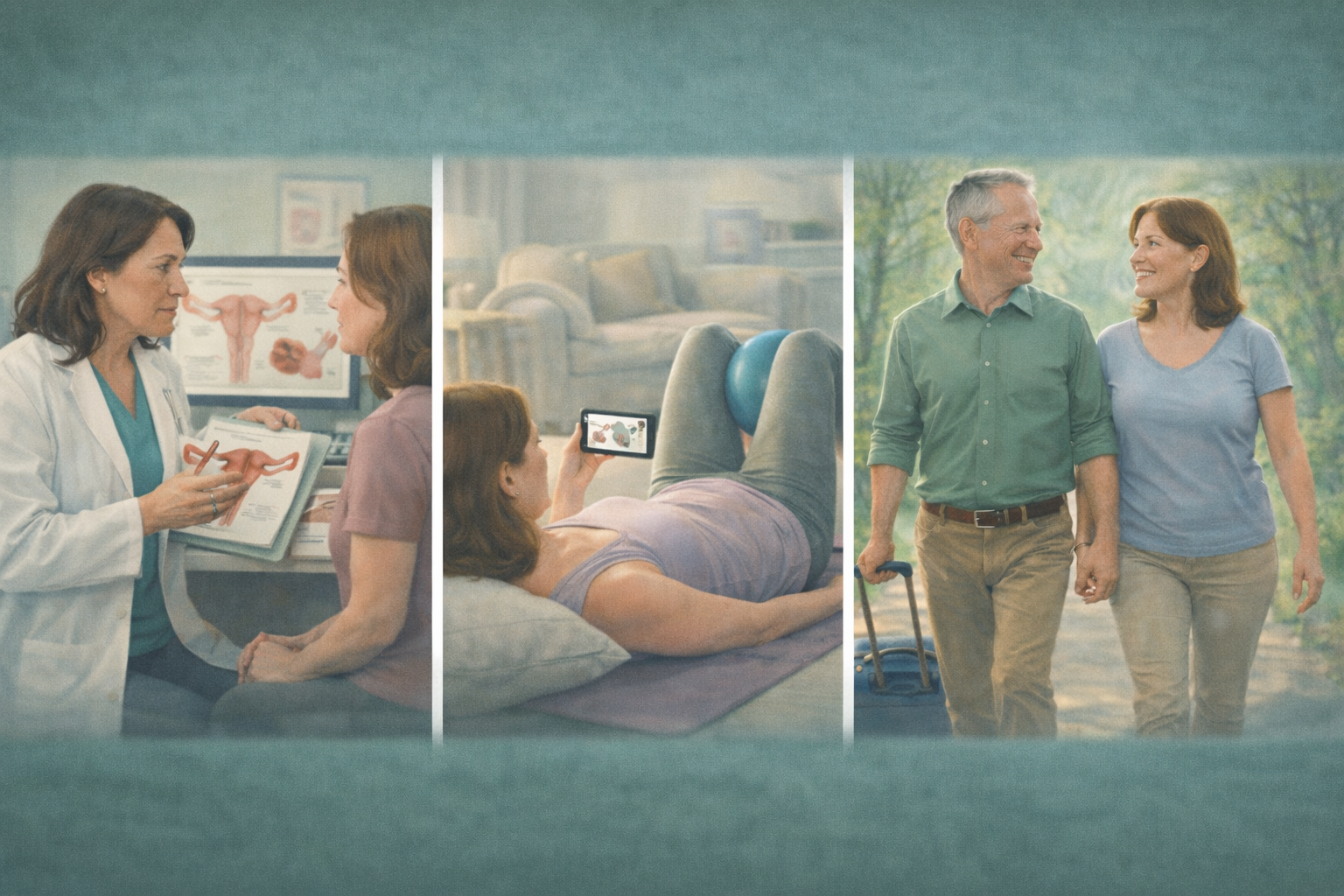
Why Pelvic Floor Support Matters

The pelvic floor is involved in bladder control, bowel control, pelvic organ support, sexual function, core coordination, posture, breathing, pressure management, and daily movement. When symptoms appear, people may feel embarrassed, uncertain, or unsure where to start.

Pelvic floor concerns can affect:

  • Toileting routines
  • Bathing and hygiene
  • Dressing and clothing choices
  • Sleep and nighttime bathroom trips
  • Work and travel confidence
  • Exercise and lifting
  • Caregiving tasks
  • Intimacy and relationships
  • Social participation
  • Emotional well-being
  • Confidence leaving the house

Many people are told to “do Kegels,” “drink less,” “wait and see,” or “this is normal,” but pelvic floor symptoms are not one-size-fits-all. Some people may need strengthening. Others may need relaxation, down-training, bladder retraining, bowel habit support, breathing strategies, posture and pressure management, pain-aware activity modification, or medical evaluation.

This Companion helps users organize what is happening before guessing what to do next.

Typical Pelvic Floor Support Pattern

Pelvic floor rehabilitation does not follow one exact timeline. Needs may differ after childbirth, surgery, prostate treatment, hysterectomy, endometriosis, chronic pelvic pain, constipation, urinary symptoms, prolapse symptoms, neurologic conditions, aging, menopause, trauma, repeated straining, heavy lifting, or long-term habits.

Instead of presenting a rigid program, this Companion uses a daily function and symptom-organization approach. It helps users notice patterns, identify triggers, track symptoms, organize questions, and understand when professional guidance may be needed.

Stage 1: Understanding the Current Pattern

The first step is noticing what is happening without shame or guesswork. Pelvic floor symptoms are easier to discuss when users can describe what happens, when it happens, what makes it worse, and what helps.

This Companion helps users organize:

  • Bladder leakage patterns
  • Urgency or frequency patterns
  • Nighttime bathroom trips
  • Bowel routine changes
  • Constipation or straining concerns
  • Pelvic pressure or heaviness
  • Pelvic pain or discomfort
  • Symptoms during lifting, coughing, sneezing, laughing, walking, exercise, or intimacy
  • Hydration, caffeine, and fluid-timing patterns
  • Activity triggers
  • Recovery time after symptom flare-ups
  • Questions for pelvic health, medical, therapy, urology, gynecology, colorectal, primary care, or post-surgical providers

The goal is to move from “something is wrong” to a clearer symptom picture that can support better care conversations.

Stage 2: Building Bladder, Bowel, and Toileting Routines

Daily routines can affect pelvic floor symptoms. Bladder habits, bowel habits, hydration, caffeine, constipation, prolonged holding, rushing to the bathroom, straining, posture, breathing, stress, and activity demands can all influence symptoms.

This Companion supports routine awareness around:

  • Bladder timing
  • Urgency patterns
  • Fluid timing
  • Caffeine or bladder irritant questions to discuss with a provider
  • Bowel timing
  • Constipation patterns
  • Toileting posture
  • Straining reduction
  • Nighttime bathroom routines
  • Hygiene and skin comfort
  • Symptom notes for appointments

The purpose is not to restrict life. The purpose is to understand routines and reduce avoidable symptom triggers when possible.

Stage 3: Pelvic Floor Awareness, Strengthening, and Relaxation

Pelvic floor support should match the person’s symptoms and provider guidance. Strengthening may help some people, especially when pelvic floor weakness contributes to urinary leakage. However, strengthening is not the answer for every pelvic floor concern.

Some people may have pelvic floor overactivity, high tone, pain, guarding, muscle tension, or poor relaxation. In those cases, repeated tightening exercises may worsen symptoms if performed without professional guidance.

This Companion helps users understand that pelvic floor support may involve:

  • Awareness of pelvic floor symptoms
  • Learning what questions to ask before starting exercises
  • Tracking whether symptoms involve leakage, urgency, pressure, pain, constipation, or tension
  • Pelvic floor muscle training when appropriate and provider-guided
  • Relaxation and down-training when tension or pain is the concern
  • Breath coordination
  • Pressure management
  • Posture and positioning support
  • Activity modification
  • Referral to pelvic health professionals when symptoms persist or worsen

This section is intentionally not a one-size-fits-all exercise prescription. It helps users become better prepared to work with the right provider.

Stage 4: Daily Activity Participation

Pelvic floor symptoms often show up during real-life activities. A person may leak when coughing, feel pressure after standing, avoid exercise, rush to the bathroom, stop traveling, avoid intimacy, or feel anxious about leaving home.

This Companion connects pelvic floor support to daily function, including:

  • Toileting
  • Bathing and hygiene
  • Dressing and clothing comfort
  • Home tasks
  • Lifting and carrying
  • Work routines
  • Exercise and walking
  • Caregiving
  • Travel and errands
  • Social participation
  • Intimacy and relationship confidence
  • Sleep and nighttime bathroom routines

The goal is to help users reduce confusion, identify triggers, and prepare practical questions around the activities that matter most.

Daily Activity Support Examples

Toileting may be easier when the user notices timing patterns, avoids rushing when possible, practices relaxed breathing, reduces straining, and discusses persistent urgency, frequency, leakage, or constipation with a provider.

Bathing and hygiene may be easier when users plan supplies, protect skin comfort, notice irritation, and track symptoms that affect daily cleanliness or confidence.

Dressing may be easier when users choose clothing that reduces pressure or discomfort during symptom flares and track whether waistbands, compression, or certain garments worsen symptoms.

Home tasks may be easier when users pace lifting, avoid breath-holding, use better body mechanics, break tasks into smaller steps, and discuss pressure or leakage symptoms with a pelvic health professional.

Exercise may be easier when users track which movements trigger leakage, pressure, pain, or urgency and bring that information to a provider before pushing harder.

Work and errands may be easier when users plan bathroom access, track urgency patterns, prepare supplies if needed, and identify triggers related to standing, lifting, stress, hydration, or long drives.

Common Pelvic Floor Concerns This Companion Helps Organize

Common concerns may include:

  • Urinary leakage
  • Urinary urgency
  • Urinary frequency
  • Nighttime bathroom trips
  • Constipation
  • Straining with bowel movements
  • Pelvic heaviness or pressure
  • Pelvic pain
  • Tailbone, hip, low back, or pelvic girdle discomfort
  • Symptoms after childbirth
  • Symptoms after prostate treatment
  • Symptoms after pelvic or abdominal surgery
  • Discomfort with intimacy
  • Worry about exercise, lifting, travel, or leaving home
  • Confusion about whether strengthening or relaxation is appropriate

This Companion helps users organize these concerns into clearer notes and safer next steps.

Symptom and Safety Awareness

Pelvic floor symptoms should not be ignored when they are persistent, worsening, painful, limiting daily life, or associated with concerning changes. Users should follow the instructions of their healthcare providers and seek medical guidance when symptoms interfere with safety or daily function.

Provider communication may be especially important when users notice:

  • New or worsening pelvic pain
  • New or worsening bladder leakage
  • Sudden changes in bladder or bowel control
  • Blood in urine or stool
  • Fever or signs of infection
  • Burning with urination or suspected urinary tract infection
  • New numbness, weakness, or neurologic symptoms
  • Inability to urinate or empty the bladder
  • Severe constipation or inability to pass stool
  • Pelvic pressure or bulging that worsens
  • Pain with intimacy that is new, severe, or worsening
  • Symptoms after surgery, childbirth, prostate treatment, or pelvic trauma that are not improving

This Companion helps users organize these concerns so they can ask better questions and seek the right type of support.

What This Companion Helps With

This Companion helps users:

  • Understand pelvic floor symptoms in relation to daily function
  • Organize bladder, bowel, toileting, and activity patterns
  • Track leakage, urgency, frequency, constipation, pain, pressure, and activity triggers
  • Understand that pelvic floor support may involve strengthening, relaxation, coordination, breathing, or referral depending on the symptom pattern
  • Avoid assuming that Kegels are the right answer for every pelvic floor concern
  • Prepare clearer questions for pelvic health, medical, therapy, urology, gynecology, colorectal, primary care, postpartum, post-prostate, or wellness appointments
  • Support participation in self-care, home tasks, work, caregiving, exercise, travel, intimacy, and social activities
  • Recognize symptom changes that may need timely provider review
Daily Function Focus

This Companion connects pelvic floor symptoms to toileting, hygiene, clothing, home tasks, work, lifting, exercise, intimacy, travel, sleep, caregiving, and social participation.

Bladder and Bowel Routine Support

The Companion helps users organize urgency, frequency, leakage, constipation, straining, nighttime bathroom trips, fluid timing, and toileting habits.

Designed to Complement Care

This Companion is intended to support pelvic floor-related daily routines and provider conversations. It does not replace pelvic health therapy, medical advice, medication guidance, surgery follow-up, or individualized provider instructions.

Does this Companion tell me which pelvic floor exercises to do?

No. Pelvic floor exercises should match the person’s symptoms and provider guidance. This Companion helps organize symptoms and questions so users can discuss the right approach with a qualified professional.

Are Kegels always the answer?

No. Kegels may help some people, especially with certain weakness-related leakage concerns. However, some pelvic floor symptoms involve tension, pain, guarding, or high tone. Those concerns may require relaxation, down-training, breathing, coordination, or pelvic health therapy instead of more tightening.

What should I track before a pelvic health appointment?

Helpful items to track may include leakage, urgency, frequency, nighttime bathroom trips, bowel patterns, constipation, straining, pelvic pain, pressure, activity triggers, fluid timing, symptoms during exercise or lifting, and questions for the provider.

Why does bowel routine matter for pelvic floor symptoms?

Constipation and straining can increase pressure through the pelvic floor and may worsen discomfort, leakage, prolapse symptoms, or pelvic tension. Users should discuss persistent constipation or bowel changes with a healthcare provider.

Can this Companion help after childbirth or prostate treatment?

Yes. The Companion can help organize symptoms, daily routines, questions, and follow-up tasks after childbirth, prostate treatment, pelvic surgery, or other provider-managed care. It does not replace post-operative, postpartum, or pelvic health provider instructions.

pelvic floor rehabilitation companion pelvic floor support pelvic floor awareness bladder routine bowel routine toileting habits urinary leakage urinary urgency urinary frequency overactive bladder stress urinary incontinence pelvic organ prolapse pelvic pressure pelvic heaviness pelvic pain high tone pelvic floor pelvic floor relaxation pelvic floor muscle training Kegels pelvic health therapy postpartum pelvic floor post prostate pelvic floor constipation and pelvic floor toileting support symptom tracking pelvic symptom tracker daily activity support provider communication occupational therapy pelvic floor ADL support IADL support CarePlanRx companion

Next Step Hub

Your next best move starts here.

Choose the matched bundle, continue with this resource, review connected tools, or check the evidence behind the guidance.

Best matched next step

Pelvic Floor Bundle

Built for users who want this Companion plus the most useful connected supports in one organized pathway.

Endometriosis Support Companion Condition Overview & What to Expect Daily Management & Routine Planner Sleep Hygiene
This resource

Continue with this item

Use this path when this resource is the book, guide, or support tool you came for.

Get Access

Connected Tools

Related pathway tools

8 items
Applied Companion Endometriosis Support Companion
View
Guidance Resource Condition Overview & What to Expect
View
Guidance Resource Daily Management & Routine Planner
View
Guidance Resource Sleep Hygiene
View
Guidance Resource Flare-Up Protocol
View
Guidance Resource Executive Dysfunction Support
View
View all related tools
Guidance Resource Self-Management Toolkit
View
Guidance Resource Lifestyle Habits
View

CarePlanRx™

Clarity that travels with you.

CarePlanRx™ resources are designed to complement provider instructions, improve follow-through, and help people ask better questions at the right time.