Cardiac Device Recovery Companion

Applied Companion

Cardiac Device Recovery Companion

A structured companion for cardiac device recovery, focused on device clinic follow-up, remote monitoring, incision and pocket care, arm and shoulder mobility, activity precautions, therapy readiness checks, and confidence after pacemaker, ICD, or CRT implantation.

Format digital
Access $39.00
Item ID acd008

Educational support only. This resource complements, not replaces, provider instructions, facility policy, or medical advice.

Item Details

About this resource

Start here

The essentials before you go deeper.

Cardiac Device Recovery Guide

Cardiac device implantation can leave patients, caregivers, and families asking one simple question: “What happens next?”

This Companion is designed to support recovery after cardiac device implantation by organizing the recovery patterns that commonly matter most: incision and pocket monitoring, device clinic follow-up, remote monitoring, arm and shoulder mobility, activity precautions, symptom awareness, therapy readiness checks, anticoagulation awareness when applicable, and confidence returning to daily life.

This Companion may apply to people recovering after pacemaker, implantable cardioverter-defibrillator, cardiac resynchronization therapy device, or other cardiovascular implantable electronic device procedures. Device type, lead placement, provider instructions, medical history, and individual risk factors all affect recovery.

The evidence framework for this Companion includes cardiac device consensus guidance, remote monitoring recommendations, infection prevention statements, pacing and CRT guidelines, shoulder rehabilitation literature, patient education resources, anticoagulation guidance, vital sign screening resources, and therapy readiness references.

This Companion does not replace electrophysiology instructions, cardiology guidance, device clinic follow-up, medication instructions, incision care instructions, anticoagulation instructions, or individualized medical advice. Recovery should always follow the recommendations of the electrophysiology team, cardiologist, device clinic, primary care clinician, anticoagulation clinic, and care team.
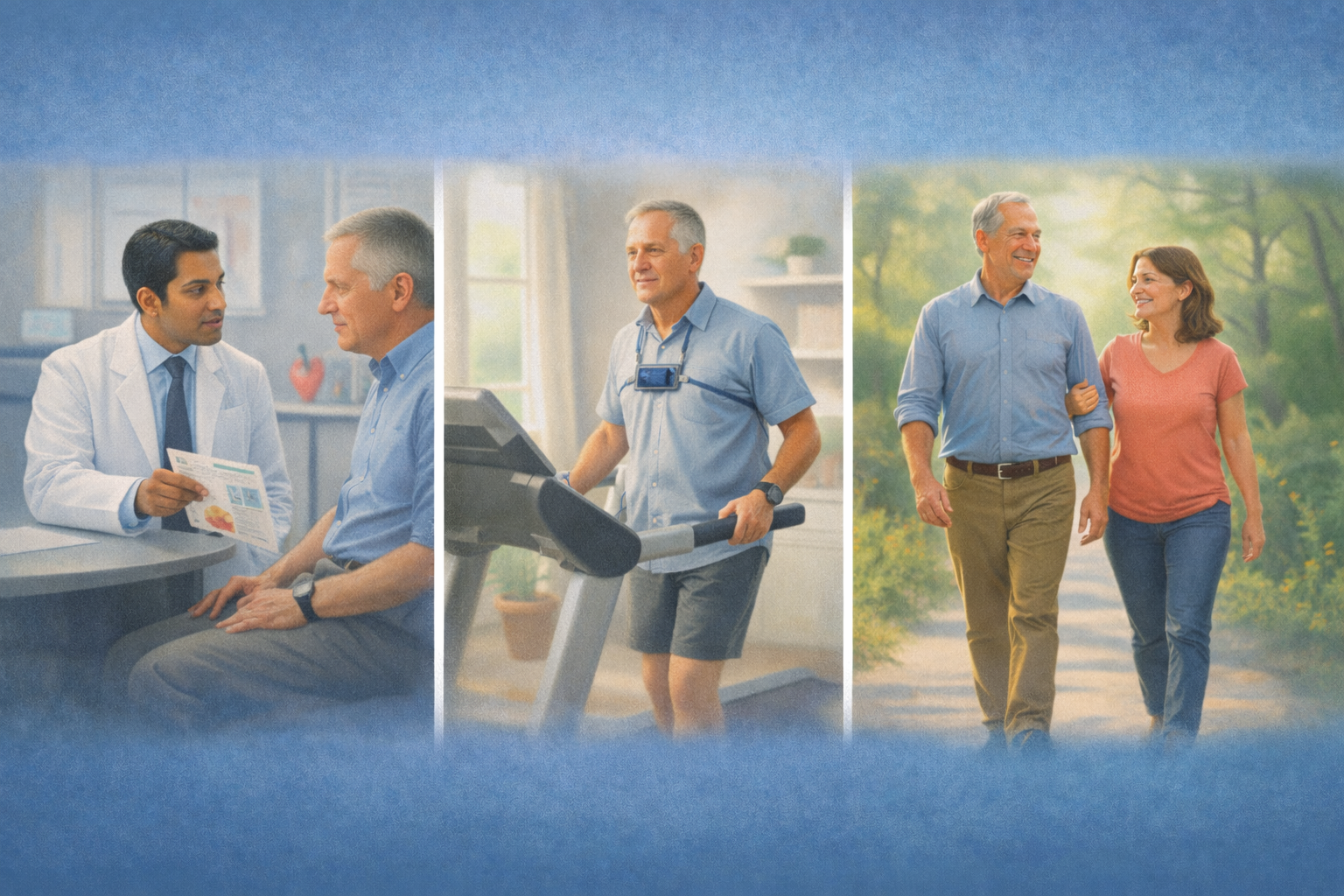
Typical Cardiac Device Recovery Pattern

Recovery timelines vary depending on device type, implant site, lead placement, incision healing, medications, heart rhythm, arm restrictions, home support, remote monitoring setup, and individual progress. Instead of presenting recovery as a rigid schedule, this Companion focuses on the recovery patterns that commonly repeat after cardiac device implantation.

Therapy Readiness & Safety Checks

Before therapy, walking, exercise, or activity progression, patients may be asked to monitor or report key safety markers. These checks help the care team understand whether the body is ready for activity that day.

Depending on the device type, heart rhythm, medication plan, and provider instructions, safety checks may include:

  • Blood pressure
  • Pulse / heart rate
  • Oxygen saturation, if ordered
  • Temperature
  • Pain level
  • Dizziness, lightheadedness, or unusual fatigue
  • Shortness of breath or chest pain
  • Palpitations or irregular heartbeat
  • Incision changes, drainage, redness, opening, or increasing warmth
  • Pocket swelling, tenderness, or unusual device movement
  • Device alerts, shocks, or remote monitor concerns
  • Blood sugar, if diabetic or instructed to monitor
  • Anticoagulation status, if applicable
  • INR value, if taking warfarin or instructed to monitor INR

If warfarin is prescribed or INR monitoring has been ordered, follow the cardiologist, electrophysiology team, prescribing clinician, anticoagulation clinic, or facility-specific instructions before increasing activity. INR targets and activity precautions vary by condition, medication plan, heart rhythm, procedure, and individual risk factors.

Do not begin or progress therapy if the care team has recommended pausing activity based on vital signs, INR, symptoms, incision or pocket status, heart rhythm, device alerts, or medical condition. Contact the care team if there is uncertainty about whether it is safe to continue.

Cardiac Device Recovery — Simplified

Cardiac devices may help support rhythm, pacing, defibrillation, resynchronization, monitoring, or other heart-related needs. Recovery involves both incision healing and long-term device follow-up.

This Companion includes simplified explanations designed to help patients, caregivers, and families understand:

  • Why device clinic follow-up matters
  • Why remote monitoring may be used
  • Why incision and pocket changes should be tracked
  • Why arm and shoulder instructions may vary
  • Why activity restrictions should come from the device team
  • Why symptoms, alerts, or shocks should be reported as instructed
  • Why anticoagulation and INR monitoring may matter for selected patients
  • Why therapy readiness checks can affect activity progression
  • How tracking progress can support better conversations with the care team
Do all cardiac device patients have the same arm restrictions?

No. Arm movement, lifting, and overhead activity restrictions vary by device type, lead placement, implant technique, provider preference, and individual risk factors. The device team’s instructions should always be followed.

What should be tracked near the incision or device pocket?

Changes such as increasing redness, warmth, swelling, drainage, opening, worsening pain, fever, or unusual pocket swelling should be reported according to care-team instructions.

Why are anticoagulation and INR included?

Some patients may take blood-thinning medications because of heart rhythm conditions or other medical factors. If warfarin is prescribed or INR monitoring has been ordered, INR tracking may be part of therapy readiness and safety planning. INR targets and activity precautions are individualized and should come from the cardiologist, electrophysiology team, prescribing clinician, anticoagulation clinic, or facility protocol.

cardiac device recovery pacemaker recovery ICD recovery CRT device recovery cardiac implantable electronic device CIED device clinic follow up remote monitoring incision care pocket infection arm restrictions shoulder mobility ICD shock plan blood pressure tracking pulse tracking INR tracking anticoagulation therapy readiness

Next Step Hub

Your next best move starts here.

Choose the matched bundle, continue with this resource, review connected tools, or check the evidence behind the guidance.

Best matched next step

Cardiac Device Bundle

Built for users who want this Companion plus the most useful connected supports in one organized pathway.

Heart Failure Companion What to Expect After Surgery ADLs Mobility & Home Safety How Long Does Surgical Recovery Take
This resource

Continue with this item

Use this path when this resource is the book, guide, or support tool you came for.

Get Access

Connected Tools

Related pathway tools

8 items
Applied Companion Heart Failure Companion
View
Guidance Resource What to Expect After Surgery
View
Guidance Resource ADLs Mobility & Home Safety
View
Guidance Resource How Long Does Surgical Recovery Take
View
Guidance Resource Phase-Based Recovery Roadmap
View
Guidance Resource Home Exercise Program Library
View
View all related tools
Guidance Resource Condition Overview & What to Expect
View
Guidance Resource Medication Tracking
View

CarePlanRx™

Clarity that travels with you.

CarePlanRx™ resources are designed to complement provider instructions, improve follow-through, and help people ask better questions at the right time.