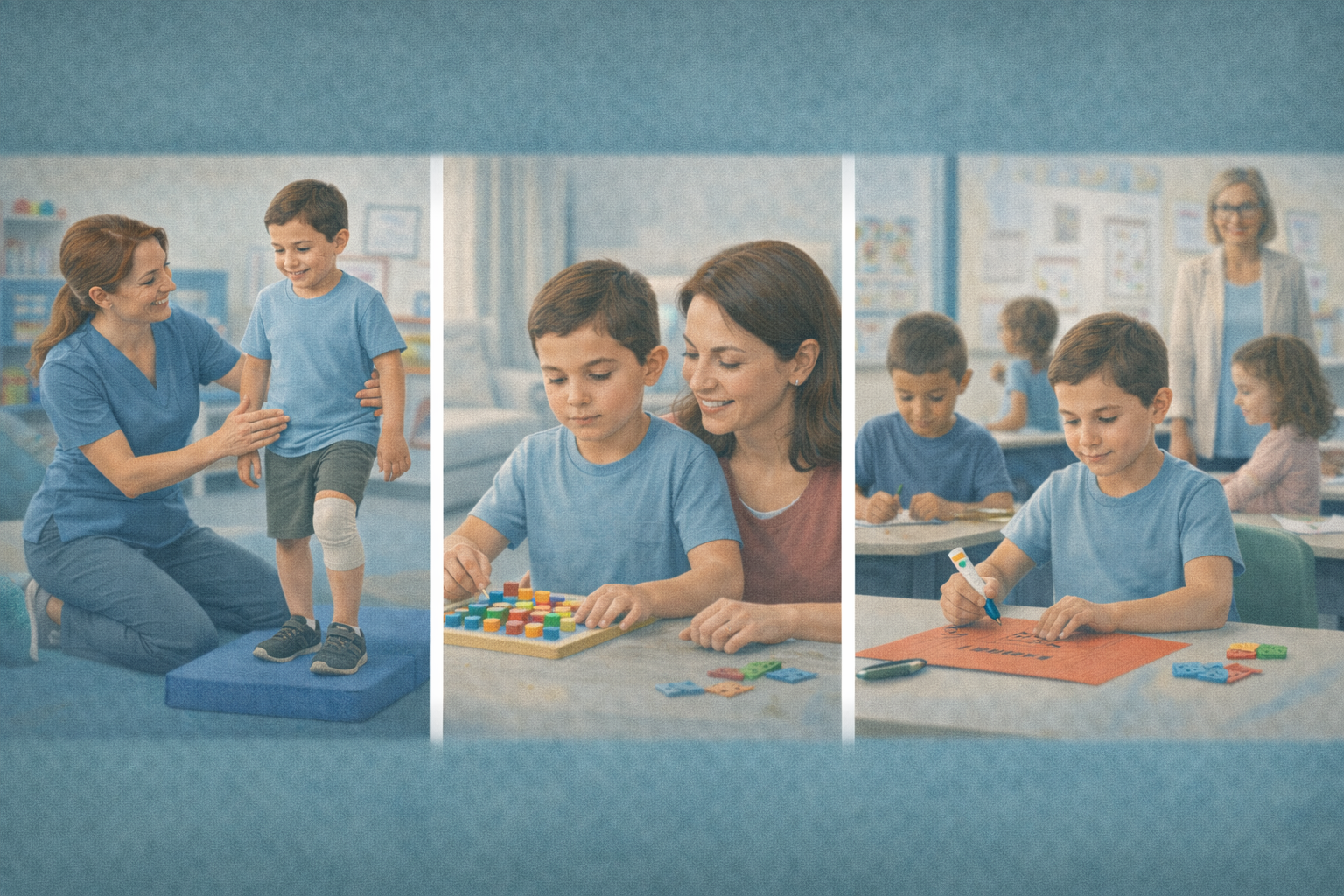
Pediatric Injury Companion

Applied Companion

Pediatric Injury Companion

A structured child and teen injury recovery companion focused on caregiver organization, pain and symptom tracking, casts, braces, slings, crutches, school and play participation, mobility and ADL support, activity restrictions, concussion safety awareness, follow-up preparation, and provider communication.

Format digital
Access $39.00
Item ID acd-034

Educational support only. This resource complements, not replaces, provider instructions, facility policy, or medical advice.

Item Details

About this resource

Start here

The essentials before you go deeper.

Pediatric Injury Companion

When a child or teen is recovering from an injury, families often leave the visit with instructions but still have real-life questions: How do we manage school? What about bathing, dressing, stairs, sleep, play, sports, pain, swelling, crutches, casts, braces, or follow-up appointments? What is normal, and what needs a call back to the provider?

The Pediatric Injury Companion was designed to support child and teen injury recovery after provider evaluation. It helps caregivers organize symptoms, daily routines, activity restrictions, school needs, pain and swelling notes, mobility barriers, home safety concerns, appointment questions, and follow-up tasks in one clearer place.

This Companion does not diagnose injuries, determine fracture severity, prescribe treatment, clear a child for sports, replace pediatric care, replace therapy services, replace school medical guidance, or replace individualized provider instructions. It is designed to help families understand what to track, what to ask, and how injury recovery may affect daily life at home, school, and in the community.

The goal is not to make families guess. The goal is to reduce confusion, improve follow-through, and help caregivers bring better information back to the care team.

Why Pediatric Injury Recovery Support Matters

Children and teens do not recover in isolation. An injury may affect sleep, mood, school attendance, recess, sports, friendships, bathing, dressing, toileting, stairs, backpack use, handwriting, screen tolerance, playground activity, transportation, and caregiver routines.

Even a common injury can feel complicated when a child has pain, swelling, fear, frustration, fatigue, activity restrictions, a cast, a brace, a sling, crutches, or instructions that are hard to follow during a normal school day.

This Companion helps connect pediatric injury recovery to daily life, including:

  • Pain and swelling tracking
  • Cast, brace, sling, splint, crutch, or mobility-aid questions
  • Bathing, dressing, toileting, hygiene, sleep, and home routines
  • Return to school, recess, PE, sports, and play
  • Activity restrictions and safe participation questions
  • Emotional adjustment, fear, frustration, and behavior changes
  • Caregiver organization and appointment preparation
  • Red-flag awareness and provider communication

The Pediatric Injury Companion is built around clarity: what happened, what instructions were given, what is hard at home or school, what symptoms are changing, and what needs follow-up.

Typical Pediatric Injury Recovery Support Pattern

Pediatric injury recovery does not follow one simple timeline. A child recovering from a wrist fracture may need help with writing and dressing. A teen with a knee injury may need help with stairs, sports restrictions, transportation, and school accommodations. A child with a concussion concern may need symptom monitoring, return-to-learn guidance, and activity questions. A child using crutches may need home safety planning and caregiver support.

Instead of pretending every injury follows the same plan, this Companion uses a daily function and caregiver-organization approach. It helps families track symptoms, follow provider restrictions, prepare school and activity questions, and recognize when recovery concerns need provider review.

Stage 1: Understanding the Current Injury Recovery Pattern

The first step is understanding what has already been evaluated and what instructions were given. Families may need to track pain, swelling, movement limits, sleep, mood, school barriers, device use, and follow-up instructions.

This Companion helps caregivers organize:

  • Injury location and date
  • Provider diagnosis or working explanation
  • Cast, brace, sling, splint, crutch, boot, or activity restriction instructions
  • Pain level and pain triggers
  • Swelling, bruising, numbness, tingling, color change, or skin concerns
  • Sleep disruption or fatigue
  • Mood, fear, frustration, or behavior changes
  • School, play, sports, PE, recess, transportation, or backpack concerns
  • Therapy, orthopedic, pediatric, emergency, sports medicine, or school follow-up questions

The goal is to move from scattered instructions to a clearer recovery picture.

Stage 3: Casts, Braces, Slings, Crutches, and Activity Restrictions

Many pediatric injuries involve temporary equipment or restrictions. These can affect school, sleep, bathing, dressing, toileting, stairs, car rides, walking, writing, carrying supplies, and play.

This Companion helps organize questions about:

  • Cast care, brace fit, sling use, splint comfort, boot use, or crutch safety
  • Skin irritation, rubbing, pressure, tightness, odor, drainage, or wet casts
  • Bathing and hygiene restrictions
  • Walking, stairs, transfers, playgrounds, recess, PE, sports, and transportation
  • Backpack, desk, lunchroom, bathroom, or school hallway concerns
  • What the child can and cannot do until cleared by the provider
  • When equipment problems should be reported

This Companion does not replace provider instructions. It helps families track whether the instructions are working in real daily life.

Stage 4: School, Play, Sports, and Social Participation

For children and teens, recovery is not only about the injured body part. It is also about returning safely to school routines, play, friendships, sports, hobbies, and independence.

This Companion helps families prepare questions around:

  • Return to school
  • Attendance, rest breaks, writing, typing, carrying books, and classroom setup
  • Recess, PE, sports, playgrounds, dance, martial arts, gymnastics, biking, or rough play
  • Return-to-learn and return-to-play questions when concussion is a concern
  • Emotional readiness and fear of reinjury
  • Peer questions, embarrassment, frustration, or feeling left out
  • Communication with teachers, school nurses, coaches, therapists, and providers

The goal is not to rush return to activity. The goal is to make sure families know what to ask before increasing activity.

Stage 5: Daily Routines, Mobility, and Caregiver Organization

Injury recovery may affect ordinary routines more than expected. Bathing, dressing, toileting, eating, grooming, stairs, getting in and out of cars, sleeping, getting to school, or carrying supplies may need temporary changes.

This Companion connects pediatric injury recovery to daily function, including:

  • Bathing and hygiene
  • Dressing with casts, braces, slings, splints, or limited movement
  • Toileting and privacy
  • Sleep positioning and nighttime comfort
  • Walking, stairs, transfers, car rides, and school transportation
  • Meal routines, hydration, and medication timing
  • Home safety, clutter reduction, and fall prevention
  • Caregiver reminders, appointments, school notes, and follow-up tasks
Daily Activity Support Examples

Bathing may require extra planning when a cast, brace, dressing, or activity restriction is present. Caregivers should follow provider instructions and track any difficulty keeping the area protected or getting in and out safely.

Dressing may be harder when movement is limited or equipment gets in the way. Families may need temporary clothing choices, extra time, seated dressing, or help with fasteners.

School routines may be harder when a child cannot carry a backpack, write comfortably, move through crowded hallways, participate in PE, use stairs, or sit comfortably for long periods.

Play and sports may need provider clearance before resuming. Families can track symptoms, restrictions, questions, and emotional readiness before returning to activity.

Common Pediatric Injury Recovery Concerns This Companion Helps Organize

Common concerns may include:

  • Pain or swelling that affects sleep, school, or daily routines
  • Cast, brace, sling, splint, boot, or crutch problems
  • Trouble bathing, dressing, toileting, walking, stairs, writing, typing, or carrying supplies
  • Fear of movement or fear of reinjury
  • Activity restriction confusion
  • Return-to-school questions
  • Return-to-play, return-to-sport, PE, or recess questions
  • Head injury or concussion-related symptom questions
  • Sleep disruption, fatigue, irritability, frustration, anxiety, or behavior changes
  • Caregiver uncertainty about when to call the provider
  • Questions about therapy, orthopedic follow-up, sports medicine, school accommodations, or recovery expectations

This Companion gives families a structured way to organize these concerns and bring clearer information to the care team.

Symptom and Safety Awareness

Pediatric injury recovery should be monitored closely when symptoms change, worsen, or interfere with safety. Families should follow provider instructions and seek medical guidance when concerning signs appear.

Provider communication may be especially important when caregivers notice:

  • Worsening pain, swelling, redness, warmth, drainage, odor, or skin breakdown
  • Numbness, tingling, weakness, color change, coldness, or circulation concerns
  • Fever, sudden illness, or signs of infection
  • Cast, brace, sling, boot, splint, or crutch problems
  • Increased difficulty walking, using the hand, moving the injured area, or completing basic routines
  • Falls, near falls, or unsafe mobility
  • Severe headache, repeated vomiting, confusion, worsening dizziness, fainting, unusual sleepiness, seizure, or behavior changes after head injury
  • Pain or symptoms that interfere with sleep, school, self-care, or daily life
  • Any provider-defined warning signs

This Companion helps families organize these concerns so they can ask clearer questions and seek the right type of support.

What This Companion Helps With

This Companion helps caregivers and families:

  • Understand child and teen injury recovery in relation to daily routines
  • Organize pain, swelling, symptoms, activity restrictions, and follow-up instructions
  • Track equipment problems with casts, braces, slings, splints, boots, or crutches
  • Prepare clearer questions for pediatric, orthopedic, emergency, therapy, sports medicine, or school providers
  • Support safe participation in bathing, dressing, toileting, sleep, school, play, and community routines
  • Recognize when symptoms, equipment issues, mobility problems, or concussion concerns may need provider review
  • Reduce confusion around repeated caregiver responsibilities and follow-up tasks
Daily Function Focus

This Companion connects injury recovery to bathing, dressing, toileting, walking, stairs, school routines, play, sports, sleep, transportation, and family life.

Caregiver Organization Support

The Companion helps caregivers track symptoms, instructions, equipment issues, activity limits, school needs, and follow-up tasks.

School, Play, and Activity Awareness

Built-in guidance helps families organize questions about return to school, PE, recess, sports, and safe activity progression after provider evaluation.

Designed to Complement Care

This Companion is intended to support pediatric injury-related daily routines and care-team conversations. It does not replace pediatric care, emergency care, orthopedic follow-up, therapy services, concussion care, school medical guidance, or individualized provider instructions.

Does this Companion diagnose injuries?

No. Injuries should be diagnosed by qualified healthcare providers. This Companion helps families organize recovery instructions, symptoms, activity questions, and follow-up tasks after provider evaluation.

Can this Companion clear my child for sports?

No. Return to sport, PE, recess, or high-risk play should follow provider guidance. This Companion helps families track questions and symptoms before asking for clearance.

Does this cover concussion?

It includes concussion safety awareness as a monitoring and communication section only. A child or teen with suspected concussion symptoms should follow medical guidance and provider-directed return-to-learn and return-to-play instructions.

What should caregivers track?

Helpful items may include pain, swelling, sleep, mood, school participation, equipment issues, activity restrictions, mobility, medication questions, and symptoms that are improving or worsening.

pediatric injury companion child injury recovery teen injury recovery caregiver injury tracker pediatric fracture recovery child sprain recovery cast care questions brace support sling support crutch safety child return to school after injury return to play after injury return to sport questions pediatric pain tracking swelling tracking activity restrictions school accommodations injury pediatric concussion awareness child recovery checklist caregiver organization pediatric orthopedics pediatric therapy ADL support child mobility support child provider communication CarePlanRx companion

Next Step Hub

Your next best move starts here.

Choose the matched bundle, continue with this resource, review connected tools, or check the evidence behind the guidance.

Best matched next step

Pediatric Injury Bundle

Built for users who want this Companion plus the most useful connected supports in one organized pathway.

Autism & Development Companion Condition Overview & What to Expect Daily Management & Routine Planner Grounding Through Movement
This resource

Continue with this item

Use this path when this resource is the book, guide, or support tool you came for.

Get Access

Connected Tools

Related pathway tools

8 items
Applied Companion Autism & Development Companion
View
Guidance Resource Condition Overview & What to Expect
View
Guidance Resource Daily Management & Routine Planner
View
Guidance Resource Grounding Through Movement
View
Guidance Resource Flare-Up Protocol
View
Guidance Resource Cognitive Load Management
View
View all related tools
Guidance Resource Self-Management Toolkit
View
Guidance Resource Balance & Fall Prevention
View

Clinical Confidence

Evidence behind this resource

20 sources
Evidence-informed

Guidance is connected to the CarePlanRx™ reference database.

AMA-style references

Sources are formatted for clinical review and transparency.

Methodology available

Users can review how references support the resource framework.

View Clinical Evidence & Methodology

View clinical references 20 sources
  1. Hadland SE, Agarwal R, Becker WC, et al. Opioid prescribing for acute pain management in children and adolescents in outpatient settings: clinical practice guideline. Pediatrics. 2024;154(5):e2024068752. doi:10.1542/peds.2024-068752 Source
  2. Davis GA, Anderson V, Babl FE, et al. Pediatric sport-related concussion: recommendations from the Amsterdam Consensus Statement 2023. Pediatrics. 2024;153(1):e2023063489. doi:10.1542/peds.2023-063489 Source
  3. National Institute for Health and Care Excellence. Fractures (non-complex): assessment and management. NICE guideline NG38. NICE Guideline. 2016;NG38; last reviewed June 23, 2025. https://www.nice.org.uk/guidance/ng38 Source
  4. American Academy of Orthopaedic Surgeons. Treatment of pediatric diaphyseal femur fractures: evidence-based clinical practice guideline. American Academy of Orthopaedic Surgeons Clinical Practice Guideline. 2020;Published December 5, 2020. https://www.aaos.org/globalassets/quality-and-practice-resources/pdff/treatment-of-pediatric-diaphyseal-femur-fractures-2020.pdf Source
  5. American Academy of Orthopaedic Surgeons. Forearm fractures in children. OrthoInfo. 2024. https://orthoinfo.aaos.org/en/diseases--conditions/forearm-fractures-in-children/ Source
  6. American Academy of Pediatrics. Concussion. American Academy of Pediatrics Professional Tools and Resources. 2025. https://www.aap.org/en/patient-care/concussion/ Source
  7. National Athletic Trainers Association. National Athletic Trainers Association position statement: management of sport-related concussion. Journal of Athletic Training. 2024. https://www.nata.org/professional-interests/health-care-topics/concussion Source
  8. American Occupational Therapy Association. Occupational Therapy Practice Framework: Domain and Process—Fourth Edition. American Journal of Occupational Therapy. 2020;74(Suppl 2):7412410010p1-7412410010p87. doi:10.5014/ajot.2020.74S2001 Source
  9. Novak I, Morgan C, Fahey M, et al. State of the evidence traffic lights 2019: systematic review of interventions for preventing and treating children with cerebral palsy. Current Neurology and Neuroscience Reports. 2020;20(2):3. doi:10.1007/s11910-020-1022-z Source
  10. World Health Organization. Guidelines on physical activity, sedentary behaviour and sleep for children under 5 years of age. World Health Organization Guideline. 2019. https://www.who.int/publications/i/item/9789241550536 Source
  11. World Health Organization. WHO guidelines on physical activity and sedentary behaviour. World Health Organization Guideline. 2020. https://www.who.int/publications/i/item/9789240015128 Source
  12. Bull FC, Al-Ansari SS, Biddle S, et al. World Health Organization 2020 guidelines on physical activity and sedentary behaviour. British Journal of Sports Medicine. 2020;54(24):1451-1462. doi:10.1136/bjsports-2020-102955 Source
  13. Logan K, Cuff S; Council on Sports Medicine and Fitness. Organized sports for children, preadolescents, and adolescents. Pediatrics. 2019;143(6):e20190997. doi:10.1542/peds.2019-0997 Source
  14. Purcell L, Micheli L. Low back pain in young athletes. Sports Health. 2009;1(3):212-222. doi:10.1177/1941738109334212 Source
  15. Bain GI, Polites N, Higgs BG, Heptinstall RJ, McGrath AM. The functional range of motion of the finger joints. Journal of Hand Surgery American Volume. 2015;40(2):406-411. doi:10.1016/j.jhsa.2014.10.017 Source
  16. Kozin SH. Upper-extremity pediatric injuries. Journal of Bone and Joint Surgery American Volume. 2014;96(2):e16. doi:10.2106/JBJS.M.01075 Source
  17. Bae DS. Pediatric distal radius and forearm fractures. Journal of Hand Surgery American Volume. 2008;33(10):1911-1923. doi:10.1016/j.jhsa.2008.10.013 Source
  18. McCarty EC, Marx RG, Maerz D, Altchek D, Warren RF. Physical therapy and rehabilitation after anterior cruciate ligament reconstruction in pediatric and adolescent patients. Journal of Pediatric Orthopaedics. 2019;39(1):e22-e28. https://pubmed.ncbi.nlm.nih.gov/30234520/ Source
  19. Kraus R, Schneidmuller D, Röder C. Pediatric orthopedic injuries: principles of treatment and rehabilitation. Der Unfallchirurg. 2017;120(5):402-414. https://pubmed.ncbi.nlm.nih.gov/28466193/ Source
  20. Centers for Disease Control and Prevention. HEADS UP to youth sports: online concussion training and resources. Centers for Disease Control and Prevention. 2025. https://www.cdc.gov/heads-up/ Source

CarePlanRx™

Clarity that travels with you.

CarePlanRx™ resources are designed to complement provider instructions, improve follow-through, and help people ask better questions at the right time.