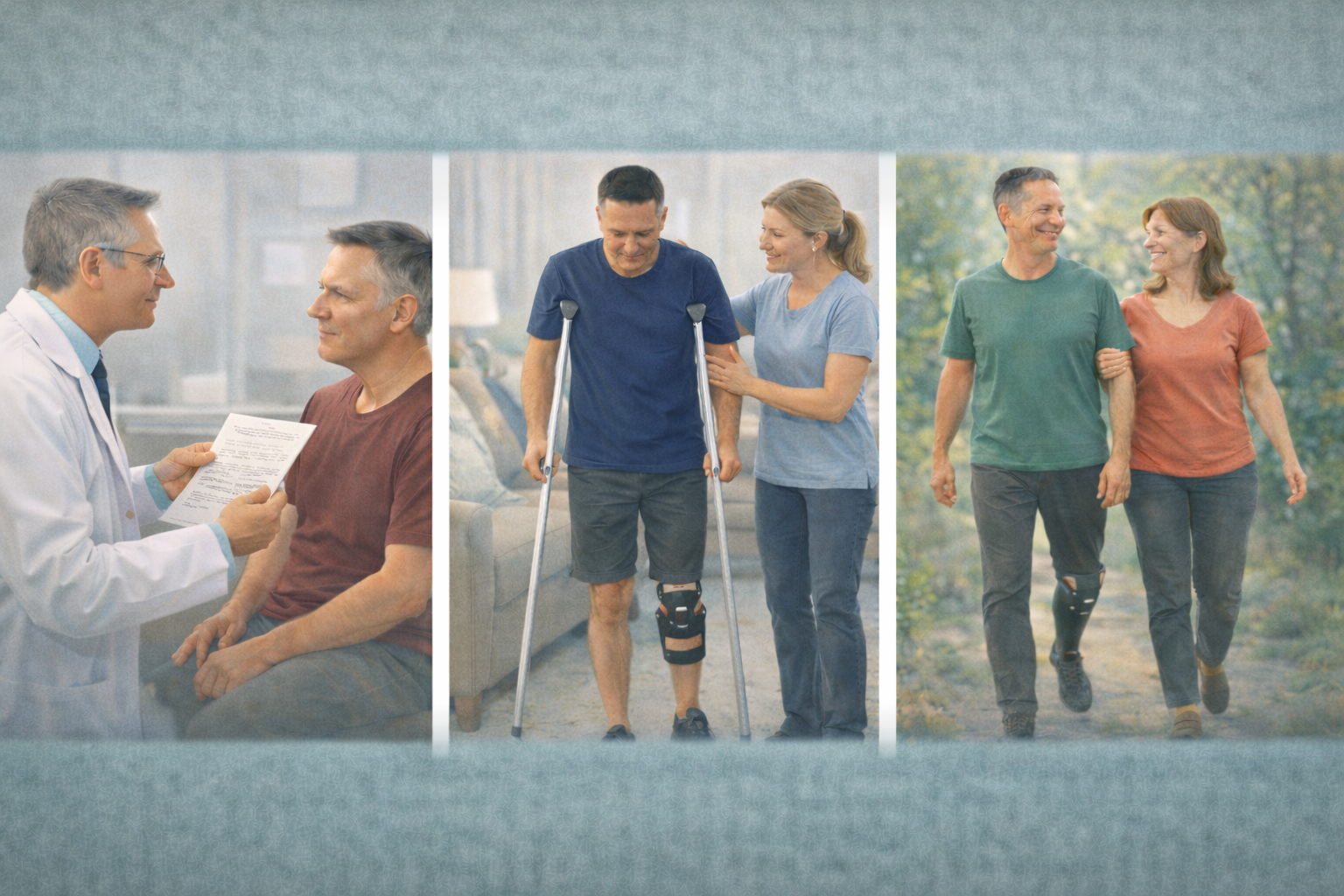
Limb Salvage Companion

Applied Companion

Limb Salvage Companion

A structured limb salvage companion focused on wound and ulcer awareness, foot protection, vascular and diabetic foot risk tracking, offloading questions, infection awareness, mobility support, daily activity participation, appointment preparation, limb-preservation planning, and provider communication.

Format digital
Access $39.00
Item ID acd-032

Educational support only. This resource complements, not replaces, provider instructions, facility policy, or medical advice.

Item Details

About this resource

Start here

The essentials before you go deeper.

Limb Salvage Companion

Limb salvage can feel overwhelming because it often involves more than one problem at the same time. A person may be managing a wound, ulcer, circulation concern, diabetes-related foot risk, infection worry, pain, swelling, neuropathy, offloading instructions, footwear changes, mobility limits, appointments, and fear about whether the limb can be preserved.

The Limb Salvage Companion was designed to reduce confusion and help users organize wound concerns, skin and foot changes, vascular symptoms, infection warning signs, offloading instructions, mobility barriers, daily activity challenges, provider questions, and follow-up tasks in one clearer place.

This Companion does not diagnose peripheral artery disease, chronic limb-threatening ischemia, diabetic foot disease, infection, Charcot foot, or wound severity. It does not replace vascular care, podiatry, wound care, diabetes care, surgery follow-up, therapy services, emergency care, or individualized medical guidance. Limb salvage decisions and wound plans must be directed by qualified healthcare professionals.

The goal is not to self-treat a limb at risk. The goal is to help users notice changes, track what matters, follow provider instructions more consistently, protect daily function, and communicate quickly when symptoms may need attention.

Why Limb Salvage Support Matters

Limb salvage is about preserving as much function, mobility, safety, and independence as possible while managing serious lower-extremity risks. These risks may involve poor circulation, diabetes-related foot ulcers, neuropathy, infection, wounds that do not heal, trauma, prior surgery, swelling, pain, pressure injury, footwear problems, or changes in skin and tissue health.

Many people are given several instructions at once: keep pressure off the wound, check the foot, monitor skin changes, attend wound care, manage diabetes, follow vascular recommendations, use devices correctly, protect the limb, report signs of infection, and return for follow-up. That is a lot to remember when pain, fear, fatigue, transportation issues, or mobility problems are already present.

This Companion helps connect limb-preservation concerns to daily life, including:

  • Wound and ulcer awareness
  • Skin color, temperature, swelling, drainage, odor, and tissue changes
  • Foot protection and daily checks
  • Diabetes-related foot risk awareness
  • Peripheral artery disease and circulation-related questions
  • Offloading, footwear, and device questions
  • Infection warning signs
  • Mobility, transfers, walking tolerance, and fall risk
  • Bathing, dressing, toileting, home routines, work, caregiving, and community participation
  • Appointment preparation and provider communication

The Limb Salvage Companion is built around clarity: what changed, when it changed, what instructions were given, what is hard to follow, what affects daily life, and what needs to be reported to the care team.

Typical Limb Salvage Support Pattern

Limb salvage does not follow one simple timeline. The path may involve wound care, vascular testing, imaging, infection management, offloading, footwear changes, medication adjustments, diabetes management, surgery, revascularization, therapy, home safety planning, caregiver support, and long-term monitoring.

Instead of presenting a rigid recovery plan, this Companion uses a daily function and risk-organization approach. It helps users track changes, organize appointments, protect daily routines, prepare questions, and understand when symptoms may need urgent provider attention.

Stage 1: Understanding the Current Limb Risk Pattern

The first step is noticing what is happening without guessing. Limb-risk concerns may change slowly or suddenly. Users may need to track wound appearance, pain, skin color, temperature, swelling, drainage, walking tolerance, offloading use, footwear concerns, and symptoms that may suggest infection or circulation problems.

This Companion helps users organize:

  • Wound or ulcer location
  • Skin color, temperature, swelling, drainage, odor, or bleeding
  • Pain, numbness, tingling, burning, or loss of sensation
  • Foot shape, redness, warmth, or new swelling
  • Walking distance and walking pain
  • Rest pain or nighttime pain questions
  • Offloading instructions and device use
  • Footwear fit and pressure areas
  • Dressing-change concerns
  • Blood sugar or diabetes-related questions when relevant
  • Missed appointments, supply problems, or barriers to follow-through
  • Questions for vascular, wound care, podiatry, diabetes, surgery, therapy, primary care, or home health providers

The goal is to move from “I am not sure if this is getting worse” to a clearer record that can support faster, better provider communication.

Stage 2: Wound, Ulcer, and Skin Awareness

Wounds, ulcers, skin breakdown, and foot changes should be monitored carefully when limb preservation is a concern. Users should always follow provider instructions for dressing changes, wound care, offloading, bathing restrictions, antibiotics, follow-up visits, footwear, activity limits, and when to call the care team.

This Companion supports awareness around:

  • Following provider wound-care directions
  • Tracking wound appearance and size questions
  • Watching for new or worsening redness
  • Watching for warmth, swelling, drainage, odor, bleeding, or increased pain
  • Noting skin breakdown, blisters, calluses, cracks, pressure marks, or color changes
  • Tracking dressing problems or supply concerns
  • Recording questions about wound healing, infection, circulation, offloading, footwear, or next steps
  • Preparing follow-up questions before wound care, podiatry, vascular, or surgical visits

Wound awareness is not about fear. It is about catching changes early and helping the care team understand what is happening between visits.

Stage 3: Circulation, Foot Protection, and Offloading Awareness

Limb salvage often depends on protecting tissue from pressure, improving or monitoring blood flow, reducing infection risk, and following offloading instructions. Poor circulation, neuropathy, diabetes-related foot disease, Charcot changes, and pressure from footwear or walking can all affect healing and safety.

This Companion helps users track concerns such as:

  • Pain with walking
  • Pain at rest or at night
  • Coldness, color change, or delayed healing
  • Numbness, tingling, burning, or reduced sensation
  • Foot warmth, swelling, redness, or shape changes
  • Trouble keeping pressure off a wound
  • Difficulty using offloading shoes, boots, casts, walkers, or assistive devices
  • Footwear rubbing, pressure areas, or poor fit
  • Questions about vascular referral, imaging, wound progress, or revascularization discussions

This Companion does not tell users how to offload a wound or select devices. It helps users track what is difficult so the provider can adjust the plan safely.

Stage 4: Mobility, Daily Function, and Fall Risk Support

Limb salvage plans may affect walking, standing, stairs, bathing, dressing, toileting, home tasks, work, driving, caregiving, and community access. Offloading devices, wounds, pain, weakness, fear, fatigue, or balance changes can make everyday routines harder.

This Companion connects limb salvage to daily function, including:

  • Walking and standing tolerance
  • Transfers and balance
  • Fall risk awareness
  • Bathing and wound protection routines
  • Dressing and footwear routines
  • Toileting and nighttime safety
  • Meal preparation and home tasks
  • Work, caregiving, errands, and transportation
  • Therapy and home exercise questions
  • Caregiver support and home setup needs

The goal is to help users identify which daily activities are unsafe, unclear, or difficult so those concerns can be addressed before they lead to falls, wound worsening, missed care, or avoidable setbacks.

Daily Activity Support Examples

Bathing may require extra planning when wounds, dressings, offloading devices, balance problems, or provider restrictions are present. Users should follow provider instructions and track any difficulty keeping the wound protected or getting in and out safely.

Dressing may be harder when footwear, socks, compression, wound dressings, swelling, braces, or offloading devices are difficult to manage. Tracking which steps are hard can help the care team recommend safer strategies.

Walking may be harder when pain, offloading, weakness, poor balance, fear of falling, or limited endurance are present. Users should report changes in walking tolerance, rest pain, wound pressure, or device problems to the appropriate provider.

Home tasks may be harder when standing tolerance is limited or when users must avoid pressure on the affected foot or limb. Breaking tasks into smaller steps and asking for help may protect both safety and wound healing.

Appointments may be more productive when users bring wound notes, photos if permitted by the provider, symptom logs, device questions, medication questions, supply concerns, and examples of how the limb issue affects daily life.

Common Limb Salvage Concerns This Companion Helps Organize

Common concerns may include:

  • Wound or ulcer changes
  • Slow healing
  • Increased redness, warmth, swelling, drainage, odor, or pain
  • Diabetes-related foot risk
  • Neuropathy or reduced sensation
  • Peripheral artery disease or circulation concerns
  • Pain with walking or pain at rest
  • Offloading device problems
  • Footwear pressure or rubbing
  • Fear of amputation
  • Confusion about wound-care instructions
  • Difficulty bathing, dressing, walking, standing, or completing home tasks
  • Missed appointments, supply issues, or transportation barriers
  • Questions about vascular, podiatry, wound care, surgery, diabetes, therapy, or home health follow-up

This Companion gives users a structured way to organize these concerns and bring clearer information to the care team.

Symptom and Safety Awareness

Limb-risk symptoms should be taken seriously when they change, worsen, or interfere with safety. Users should follow provider instructions and seek medical guidance when concerning signs appear.

Provider communication may be especially important when users notice:

  • New or worsening redness, warmth, swelling, drainage, odor, or bleeding
  • Fever or feeling suddenly unwell
  • Wound opening, delayed healing, black tissue, or new skin breakdown
  • Increasing pain, rest pain, nighttime pain, or sudden severe pain
  • New numbness, tingling, color change, coldness, or circulation concerns
  • New foot warmth, swelling, redness, or shape change
  • Trouble using offloading devices safely
  • Falls, near falls, or inability to walk safely
  • Confusion about wound care, medications, antibiotics, vascular testing, or follow-up
  • Any provider-defined warning signs

This Companion helps users organize these concerns so they can ask clearer questions and seek timely care.

What This Companion Helps With

This Companion helps users:

  • Understand limb salvage concerns in relation to daily function
  • Organize wound, skin, circulation, infection, offloading, and mobility concerns
  • Track foot and limb changes between appointments
  • Prepare clearer questions for vascular, podiatry, wound care, surgery, diabetes, therapy, home health, or primary care providers
  • Recognize when wounds, infection signs, circulation symptoms, device problems, or mobility barriers may need provider review
  • Support participation in bathing, dressing, walking, transfers, home tasks, work, caregiving, and community life
  • Reduce confusion around repeated limb-preservation responsibilities and follow-up tasks
Daily Function Focus

This Companion connects limb salvage to bathing, dressing, toileting, walking, transfers, home routines, work, caregiving, sleep, transportation, and community participation.

Wound and Limb-Risk Awareness

The Companion helps users track wound changes, skin concerns, infection warning signs, offloading problems, footwear pressure, circulation questions, and follow-up needs.

Mobility and Safety Support

Built-in tracking concepts help users organize walking limits, device problems, fall risk, home barriers, and therapy questions before appointments.

Designed to Complement Care

This Companion is intended to support limb-salvage-related daily routines and care-team conversations. It does not replace vascular care, wound care, podiatry, diabetes management, surgery, therapy services, emergency care, or individualized provider instructions.

Does this Companion tell me how to treat a wound?

No. Wounds should be managed according to provider instructions. This Companion helps users organize wound changes, daily barriers, device questions, and follow-up tasks.

Why are circulation symptoms included?

Circulation can affect wound healing and limb risk. Symptoms such as walking pain, rest pain, coldness, color changes, delayed healing, or worsening wounds should be discussed with the appropriate provider.

Can this Companion help caregivers?

Yes. Caregivers can use it to help organize appointments, wound-care questions, mobility barriers, supplies, transportation needs, warning signs, and follow-up tasks while still following provider instructions.

limb salvage companion limb preservation diabetic foot ulcer diabetic foot care chronic limb threatening ischemia peripheral artery disease wound tracking foot ulcer prevention offloading diabetic foot wound care questions infection awareness vascular referral foot protection neuropathy awareness Charcot foot awareness mobility support fall risk lower extremity wound limb risk tracking daily foot checks podiatry follow up vascular care wound care occupational therapy limb salvage ADL support IADL support provider communication CarePlanRx companion

Next Step Hub

Your next best move starts here.

Choose the matched bundle, continue with this resource, review connected tools, or check the evidence behind the guidance.

Best matched next step

Limb Salvage Bundle

Built for users who want this Companion plus the most useful connected supports in one organized pathway.

Prosthetic Rehabilitation Companion Condition Overview & What to Expect Symptom Guide & Red Flags Balance & Fall Prevention
This resource

Continue with this item

Use this path when this resource is the book, guide, or support tool you came for.

Get Access

Connected Tools

Related pathway tools

8 items
Applied Companion Prosthetic Rehabilitation Companion
View
Guidance Resource Condition Overview & What to Expect
View
Guidance Resource Symptom Guide & Red Flags
View
Guidance Resource Balance & Fall Prevention
View
Guidance Resource Flare-Up Protocol
View
Guidance Resource Pain Neuroscience
View
View all related tools
Guidance Resource Long-Term Planning
View
Guidance Resource Motivation & Engagement
View

Clinical Confidence

Evidence behind this resource

20 sources
Evidence-informed

Guidance is connected to the CarePlanRx™ reference database.

AMA-style references

Sources are formatted for clinical review and transparency.

Methodology available

Users can review how references support the resource framework.

View Clinical Evidence & Methodology

View clinical references 20 sources
  1. Gornik HL, Aronow HD, Goodney PP, et al. 2024 ACC/AHA/AACVPR/APMA/ABC/SCAI/SVM/SVN/SVS/SIR/VESS Guideline for the Management of Lower Extremity Peripheral Artery Disease. Circulation. 2024. doi:10.1161/CIR.0000000000001251 Source
  2. Conte MS, Bradbury AW, Kolh P, et al. Global vascular guidelines on the management of chronic limb-threatening ischemia. Journal of Vascular Surgery. 2019;69(6S):3S-125S.e40. doi:10.1016/j.jvs.2019.02.016 Source
  3. Schaper NC, van Netten JJ, Apelqvist J, et al. Practical guidelines on the prevention and management of diabetes-related foot disease: IWGDF 2023 update. Diabetes/Metabolism Research and Reviews. 2024;40(3):e3657. doi:10.1002/dmrr.3657 Source
  4. Bus SA, Sacco ICN, Monteiro-Soares M, et al. Guidelines on the prevention of foot ulcers in persons with diabetes: IWGDF 2023 update. Diabetes/Metabolism Research and Reviews. 2024;40(3):e3651. doi:10.1002/dmrr.3651 Source
  5. Bus SA, Armstrong DG, Crews RT, et al. Guidelines on offloading foot ulcers in persons with diabetes: IWGDF 2023 update. Diabetes/Metabolism Research and Reviews. 2024;40(3):e3647. doi:10.1002/dmrr.3647 Source
  6. Lazzarini PA, Jarl G, Gooday C, et al. Effectiveness of offloading interventions to heal foot ulcers in persons with diabetes: a systematic review and meta-analysis. Diabetes/Metabolism Research and Reviews. 2024;40(3):e3652. doi:10.1002/dmrr.3652 Source
  7. Senneville E, Albalawi Z, van Asten SA, et al. IWGDF/IDSA guidelines on the diagnosis and treatment of diabetes-related foot infections. Clinical Infectious Diseases. 2023;77(12):e1-e13. doi:10.1093/cid/ciad527 Source
  8. Hinchliffe RJ, Forsythe RO, Apelqvist J, et al. Guidelines on diagnosis, prognosis, and management of peripheral artery disease in patients with foot ulcers and diabetes: IWGDF 2023 update. Diabetes/Metabolism Research and Reviews. 2024;40(3). https://iwgdfguidelines.org/wp-content/uploads/2023/07/IWGDF-2023-05-PAD-Guideline.pdf Source
  9. Armstrong DG, Tan TW, Boulton AJM, Bus SA. Diabetic foot ulcers: a review. JAMA. 2023;330(1):62-75. doi:10.1001/jama.2023.10578 Source
  10. Wukich DK, Schaper NC, Gooday C, et al. Guidelines on the diagnosis and treatment of active Charcot neuro-osteoarthropathy in persons with diabetes mellitus: IWGDF 2023. Diabetes/Metabolism Research and Reviews. 2024;40(3). https://iwgdfguidelines.org/guidelines-2023/ Source
  11. Kumbhar S, et al. Advancements and best practices in diabetic foot care. Diabetes Research and Clinical Practice. 2024. https://www.sciencedirect.com/science/article/abs/pii/S0168822724007551 Source
  12. van Kouswijk HW, et al. Therapeutic validity and effectiveness of exercise interventions after lower limb-salvage surgery: a systematic review. Disability and Rehabilitation. 2023. https://pmc.ncbi.nlm.nih.gov/articles/PMC10035240/ Source
  13. van Kouswijk HW, et al. Factors influencing functional recovery after limb-salvage surgery: a qualitative study. Disability and Rehabilitation. 2025. doi:10.1080/09638288.2024.2383832 Source
  14. McKenzie C, et al. Occupational therapy rehabilitation for sarcoma patients following limb salvage surgery: a scoping review. Disability and Rehabilitation. 2019. https://ora.ox.ac.uk/objects/uuid%3A2db7ad38-0c44-4891-a37b-2c0bff661918/files/m81df07969435907dd11e45f57017fa42 Source
  15. Rich TL, et al. Occupational therapy as integral partner in lower limb amputation care and future research. Archives of Rehabilitation Research and Clinical Translation. 2025. https://pmc.ncbi.nlm.nih.gov/articles/PMC12715689/ Source
  16. American Occupational Therapy Association. Occupational Therapy Practice Framework: Domain and Process—Fourth Edition. American Journal of Occupational Therapy. 2020;74(Suppl 2):7412410010p1-7412410010p87. doi:10.5014/ajot.2020.74S2001 Source
  17. Fields B, Smallfield S, Marc-Aurele J, et al. Occupational therapy practice guidelines for adults with chronic conditions. American Journal of Occupational Therapy. 2022;76(2):7602397010. https://research.aota.org/ajot/article/76/2/7602397010/23263/Occupational-Therapy-Practice-Guidelines-for Source
  18. Smallfield S, Fang L, Kyler D. Self-management interventions to improve activities of daily living and rest and sleep for adults with chronic conditions: a systematic review. American Journal of Occupational Therapy. 2021;75(4):7504190010. doi:10.5014/ajot.2021.046946 Source
  19. American College of Foot and Ankle Surgeons. Clinical practice guideline for limb salvage in severe lower extremity trauma. American College of Foot and Ankle Surgeons Guideline. 2018. https://www.aofas.org/docs/default-source/research-and-policy/appropriate-use-citeria-clinical-practice-guidelines/clinical-practice-guideline-for-limb.pdf Source
  20. Society for Vascular Surgery. Patients with chronic limb-threatening ischemia: who to refer. Society for Vascular Surgery. 2024. https://vascular.org/patients-and-referring-physicians/referring-physicians/who-refer/patients-chronic-limb-threatening Source

CarePlanRx™

Clarity that travels with you.

CarePlanRx™ resources are designed to complement provider instructions, improve follow-through, and help people ask better questions at the right time.