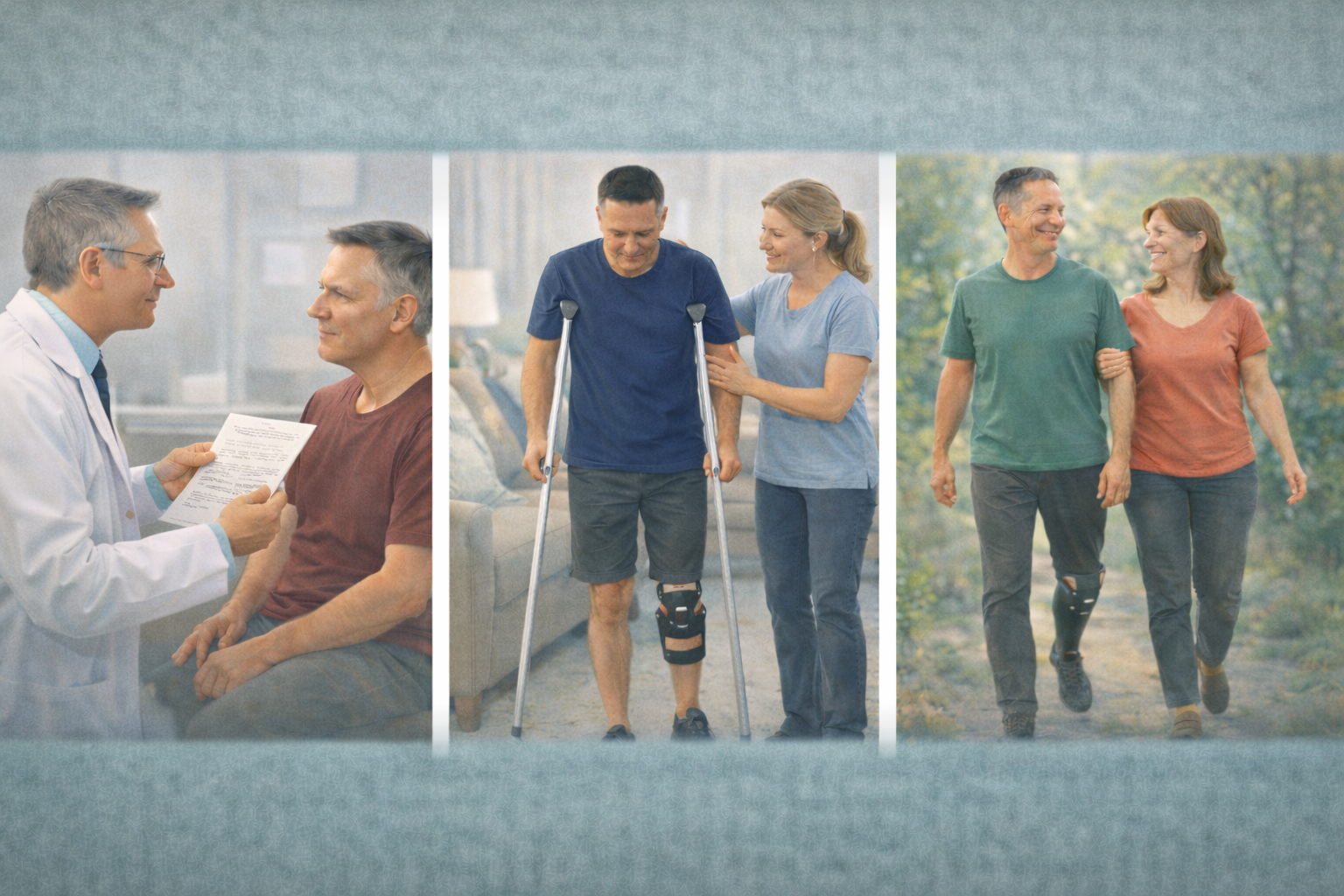
Burn recovery can affect much more than the skin. A burn injury may change comfort, movement, sleep, mood, scars, sensation, strength, daily routines, work participation, body image, dressing, bathing, hygiene, hand use, mobility, and confidence returning to normal activities.
The Burn Recovery Companion was designed to reduce confusion and help users organize wound and scar awareness, pain and itch symptoms, range of motion concerns, positioning, splinting questions, activity tolerance, sleep, fatigue, emotional adjustment, daily routines, provider instructions, and follow-up tasks in one clearer place.
This Companion does not replace burn center instructions, wound care orders, therapy services, compression garment guidance, splinting instructions, surgical follow-up, emergency care, or individualized medical advice. Burn recovery can vary widely based on burn depth, location, grafting, infection risk, scarring, joint involvement, pain, itch, age, medical history, and access to rehabilitation services.
The goal is not to self-treat a burn injury. The goal is to help users understand what to track, how burn recovery may affect daily life, what questions to ask, and when symptoms should be discussed with the care team.